

The ERP system manages master data and orders, but it does not manage service calls: the service management, scheduling, and back-office teams rely on other tools to handle this.
Integrations
Fits into your system landscape. Not the other way around.
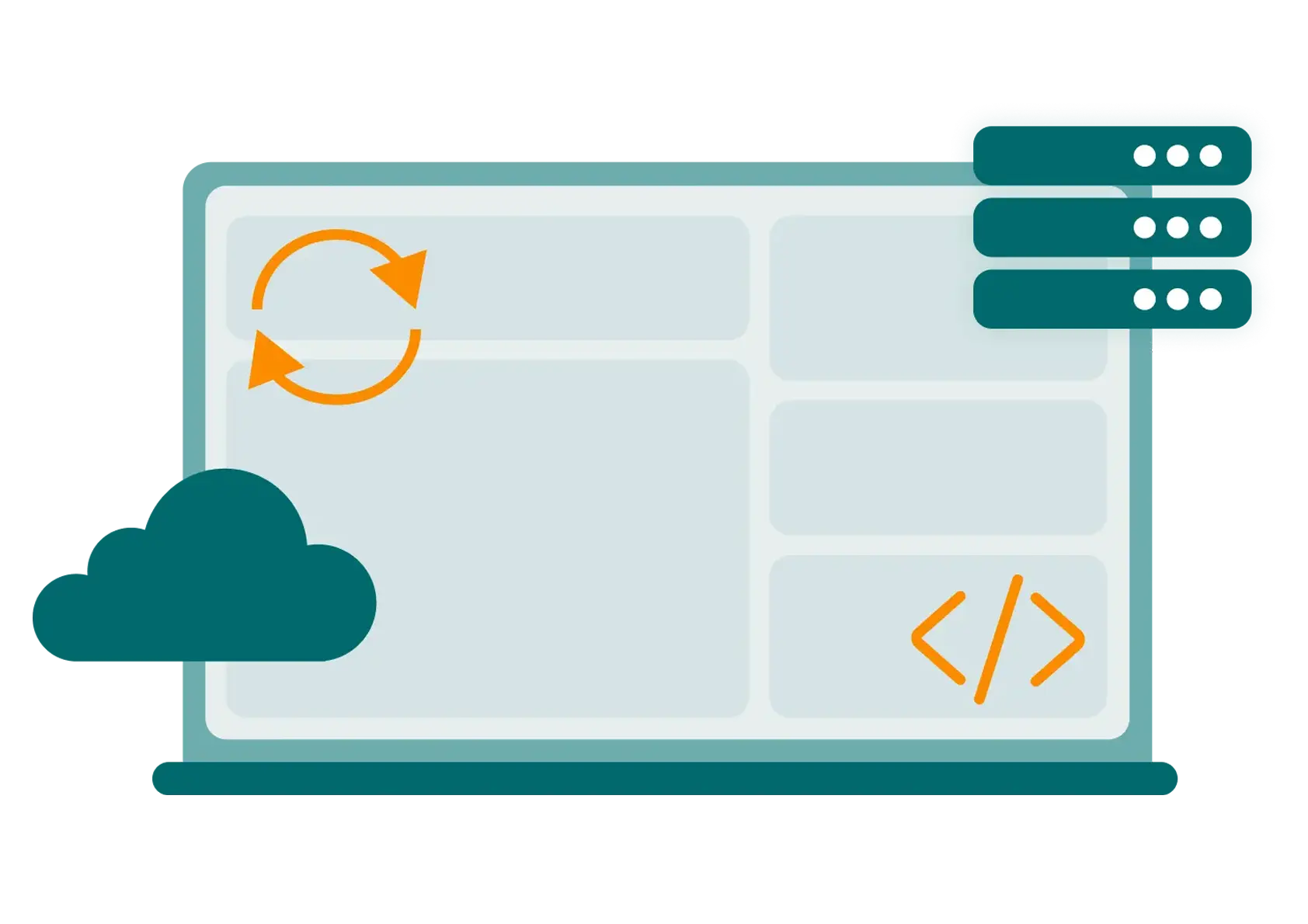
SIMPL doesn’t replace your ERP—it complements it: connected bidirectionally via an open REST API. And if you want to get started without an ERP integration, you can do that right away.




There is a gap between ERP and day-to-day service operations

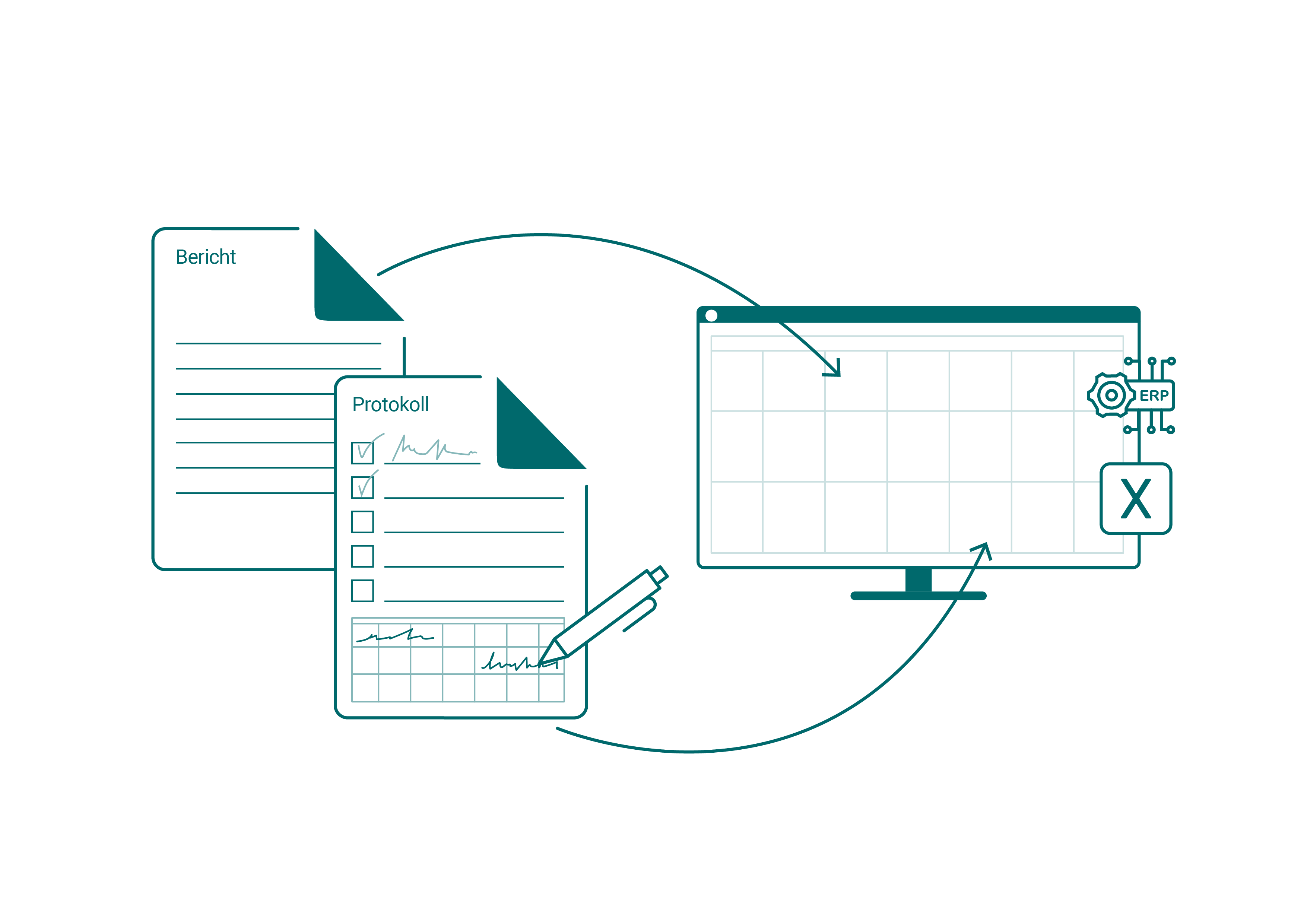
Duplicate Data Entry: Excel Lists and Sticky Notes Alongside the ERP System
Feedback reaches the ERP system days later; billing is on hold
Scheduling and office staff can’t see what’s already in the ERP system
And the fear is justified: anything but another major IT project

Your ERP will remain the primary system. SIMPL will become your operational service platform.
Master data comes from the ERP system; the entire service process runs in SIMPL—from assets to tickets, scheduling, and field service—and everything is automatically updated without the need for duplicate data entry.

Bidirectional synchronization: Data flows in both directions
Get started even without an internet connection: Ready to use right away via Excel import
Open REST API: Any system with an API can be connected
Two Ways to SIMPL, Both Without IT Drama
First, the internal disconnects disappear; then (if you want) the ERP is added: You decide the pace, not the interface.
All-in-one solution
The most important integration is already built in
Most data silos don’t originate in the ERP system, but rather in between it and other systems: standalone planning boards, Excel spreadsheets, Outlook, and paper forms. SIMPL combines asset management, ticketing, scheduling, and field operations into a single solution, so you don’t need those interfaces in the first place.

From tickets to the planning board to reports: one system, no handoffs
Excel, Outlook scheduling, and paper forms will simply become obsolete
Data flows seamlessly, from the asset to billing
„Früher musstest du alles manuell durchgehen – jetzt geht alles deutlich einfacher. SIMPL nimmt uns so viel Arbeit ab.“

Getting Started Without ERP
Excel Import Instead of an IT Project: Get Started Today
Import machines, customers, and orders from Excel, invite your team, and get to work. The ERP integration will be available when you’re ready.
Importing Excel Lists: Map Columns, Validate, Done
Full range of features, even in completely standalone mode
Work first, then integrate; can be retrofitted at any time
The ERP Integration
The ERP system manages it; SIMPL reports back
Master data and orders come from the ERP system; confirmation entries, time entries, and material data are automatically fed back into the system, all the way through to payroll and the DMS.
Master data and orders go in; confirmations come out automatically
Visibility into material inventories, including lead times for payroll processing
Modern ERPs seamlessly integrated—no months-long IT project
In production use
The ERP systems SIMPL is already running on today
From SAP to ABAS: SIMPL is seamlessly integrated with the ERP systems used by medium-sized mechanical engineering companies.
SAP: ECC, S/4HANA, and Business One
Microsoft Dynamics, Navision, Business Central, ProAlpha, ABAS
In addition, Salesforce (CRM) and Microsoft 365 (email with AI)
For Your IT
API-First: Documented Rather Than Reverse-Engineered
Every data point in SIMPL is accessible via a documented REST API; your IT team can find everything in the developer portal.
Documented Endpoints, Data Models, and Sample Workflows
Webhooks: New tickets or status changes trigger external processes
Infor, Sage, PSI Penta, and others as well: anything with an API can be integrated
The Introduction
Four Steps to Connectivity—Not a Mammoth Project
Clarify requirements, configure the interface, test with real data, and go live with monitoring. With standard ERPs, the path is clearly defined, and errors are logged rather than ignored.

Joint Clarification: Which System Contains Which Data?
Your IT or ERP service provider will set up the connection through the developer portal
TLS-encrypted, token-based, with every access logged
Bring your system landscape into the conversation
In just 30 minutes, find out how SIMPL fits into your ERP system—or how you can start working as early as next week without any integration at all.

A no-obligation consultation with our experts
A Detailed Assessment of Your ERP Environment
Personal Contact
No preparation needed—just bring your questions
Frequently Asked Questions About Integrations
Do we need an ERP integration to get started with SIMPL?
No, SIMPL works completely standalone. Many customers start by importing their machine and customer data from Excel and are up and running from the very first week. The ERP integration can be added at any time once you’re ready. And often, the biggest data silos are eliminated even before that, because scheduling, ticketing, forms, and asset management are all part of a single solution instead of five separate tools.
Which ERP systems can be integrated?
Integrations with SAP (ECC, S/4HANA, Business One), Microsoft Dynamics, Navision, and Business Central, ProAlpha, and ABAS, as well as Salesforce and Microsoft 365, are currently in production. As a general rule, any system with an API—such as Infor, Sage, or PSI Penta—can be connected via the open REST API.
What is typically synchronized?
Master data such as machines, customers, and materials are transferred from the ERP to SIMPL; orders are converted into assignments; and upon completion, confirmation data, work hours, and material consumption are automatically fed back into the system, all the way to payroll and the DMS. The ERP remains the leading system throughout this process.
Who sets up the connection, and how much work does it involve?
Your IT or ERP service provider, based on the documented developer portal and in collaboration with us. With standard ERPs, the path is clearly defined, and the process is always the same: clarify requirements, configure the system, test with real data, and go live. It’s not a major IT project, and your team is already working in SIMPL throughout the process.
Is there a documented API?
Yes, SIMPL is built with an API-first approach: Every data point—from machines and tickets to times and documents—is available via a documented REST API. The developer portal includes endpoints, data models, authentication, and sample workflows, as well as webhooks for event-driven processes.
How secure is the connection between ERP and SIMPL?
All API connections are TLS-encrypted; access is granted via token-based authentication and is logged. The service is hosted in German and European data centers; for more details, see the “Made & Hosted in Germany” page.